Introduction
In a country as substantial and diverse as Australia, the significance of conveniently available clinical sources can not be overstated. One such essential source is the Automated External Defibrillator (AED). These First Aid Training Wollongong devices can suggest the distinction in between life and fatality in circumstances of heart attack. With the raising awareness bordering heart wellness and emergency response, knowing just how to locate public AEDs across Australia has actually ended up being vital for every person. This guide intends to not just supply detailed info on finding AED places however additionally to discuss their use, maintenance, and legislative aspects.
Understanding Automated External Defibrillators Described Australia
What Is an AED?
An Automated External Defibrillator (AED) is a portable device used to restore a normal heart rhythm during unexpected heart attack. The gadget evaluates the heart's rhythm and provides an electrical shock if it detects a lethal arrhythmia.
How Does It Work?
The AED operates via a series of uncomplicated steps:
Turn on the device. Attach electrode pads to the client's bare chest. The AED will immediately analyze the heart's rhythm. If a shock is encouraged, it will instruct you to stand clear and supply the shock.Why Are AEDs Vital in Australia?
With heart diseases being one of Australia's leading causes of death, having accessibility to an AED significantly raises survival prices throughout emergencies.
How to Utilize an AED Step by Step Australia
Using an AED can seem complicated, however recognizing its procedure can conserve lives. Below's a step-by-step guide tailored for Australians:
Step 1: Evaluate the Situation
Ensure the location is secure for both you and the victim prior to proceeding.
Step 2: Call Emergency Situation Services
Dial 000 promptly or have someone else do it while you address the patient.
Step 3: Prepare the Patient
Lay the patient flat on their back and subject their chest.
Step 4: Affix Electrode Pads
Follow aesthetic instructions supplied with the pads; one pad takes place the top right upper body and an additional on the lower left side.
Step 5: Examine Heart Rhythm
Press "Assess" if prompted by your AED; ensure no person is touching the person during analysis.
Step 6: Provide Shock if Advised
If a shock is recommended, guarantee everybody is clear prior to pressing "Shock."
Step 7: Resume CPR
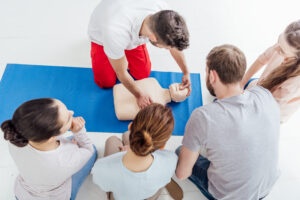
Regardless of whether a shock was provided or otherwise, continue mouth-to-mouth resuscitation till emergency services show up or the individual reveals indications of life.

AED and mouth-to-mouth resuscitation Together Australia
Combining mouth-to-mouth resuscitation with defibrillation enhances survival opportunities considerably. Here's how they work together:
- Immediate Feedback: Beginning CPR quickly after asking for help. Defibrillation: Use an AED as soon as it's available. Continued Treatment: Proceed both mouth-to-mouth resuscitation and using an AED till professional aid arrives.
AED Use on Kid Australia
Using an AED on youngsters varies somewhat from grownups:
- Use pediatric pads if available. Follow details guidelines for children under eight years of ages or considering much less than 25 kg. Always seek expert medical assistance right away when handling minors in emergencies.
AED Battery Maintenance Australia
Maintaining your AED's battery is important for guaranteeing it runs properly when required:
Regularly check battery levels as indicated by LED lights. Replace batteries according to supplier standards-- usually every 2 to five years. Keep spare batteries in supply where your AED is located.Workplace AED Demands Australia
Workplace regulations relating to AEDs differ throughout various states in Australia. It's vital for companies to follow local regulation pertaining to:
- Placement of devices within simple reach. Ensuring personnel are learnt their use. Regularly preserving tools to make sure readiness.
Finding Public AED Locations Across Australia: A Lifesaving Source Guide
Australia boasts various public areas equipped with automated external defibrillators, including shopping mall, parks, institutions, and more. Knowing where these tools lie can save priceless time throughout emergency situations.
Utilize mobile applications designed especially for situating public AEDs; lots of are straightforward and provide real-time data. Websites like St John Ambulance maintain updated data sources of public AED locations throughout numerous Australian states. Community efforts commonly advertise awareness concerning neighborhood centers that house these lifesaving devices.|State|Notable Places|| --------------|------------------------------------------------|| New South Wales|Sydney Opera House, Bondi Coastline|| Victoria|Melbourne Airport Terminal, Federation Square|| Queensland|Gold Coast Convention Centre|| Western Australia|Perth Convention Centre|| South Australia|Adelaide Oval|
Defibrillator Training Programs Australia
Training training courses play an important role in preparing people for emergency situation circumstances entailing cardiac arrest:
- Organizations like St John Ambulance deal licensed programs focusing on mouth-to-mouth resuscitation and defibrillator use. Many work environments perform normal training sessions to guarantee personnel are geared up with necessary skills.
Consider enrolling in these training courses not simply for individual expertise however additionally as part of work environment security initiatives.
Defibrillator Regulations Australia
Understanding present legislation bordering defibrillators is vital for proper conformity:
- Various state laws mandate specific organizations to have accessible defibrillators on-site (e.g., schools). Some city governments use incentives or grants aimed at motivating companies and public centers to install these devices.
Choosing Right AED Australia
When selecting an automated outside defibrillator for community usage or personal possession, consider factors such as:
Ease of Usage - Go with models with clear instructions. Portability - Light-weight styles are easier to transport. Cost - Equilibrium spending plan factors to consider versus functions provided by each unit.Top Brands Recommendations:
- Philips Zoll Cardiac Science
These brand names have established strong credibilities within Australian markets for integrity and efficiency.
FAQs
What Is An Automated Outside Defibrillator?
An automated exterior defibrillator (AED) is a portable gadget created to deal with unexpected heart attack by supplying an electric shock that aids bring back regular heart rhythms.
How Do I Locate Public AEDs In My Area?
You can use smart device applications specifically created for locating public automated exterior defibrillators or visit sites like St John Rescue which maintains updated data sources of areas throughout states in Australia.
Are There Certain Legislations Regarding Making Use Of Defibrillators In Workplaces?
Yes, different legislations mandate that specific offices need to have accessibility to defibrillators based upon variables like worker count and area kind; it's important check regional regulations.
Can I Use An AED On A Child?
Yes! However, special pediatric pads might be required relying on age/weight of child; always comply with manufacturer's standards when making use of an automated external defibrillator on minors.
How Typically Must I Check My AED's Battery?
It's a good idea to inspect your automated exterior defibrillator's battery every month; change batteries according to producer referrals-- typically every two-five years-- or when triggered by indication lights.
Where Can I Get Training On Making Use Of An AED?
Various companies such as St John Ambulance deal training programs on how to properly make use of an automatic outside defibrillator in addition to CPR techniques; consider enrolling via regional branches or on-line platforms.
Conclusion
In recap, understanding exactly how to find public Automated External Defibrillators throughout Australia could conserve lives throughout important emergency situations related to cardiac arrests. Familiarizing yourself with use protocols-- such as incorporating mouth-to-mouth resuscitation efforts-- maintaining devices properly, sticking strictly to lawful requirements at workplaces, selecting Discover more here appropriate devices based upon private demands-- all add towards boosted neighborhood safety and security requirements overall! With resources easily available at our disposal today via contemporary technology developments combined together with reliable training programs provided throughout various companies nationwide-- it's necessary all of us take obligation towards coming to be informed people readying ourselves whenever encountered versus possible disasters!